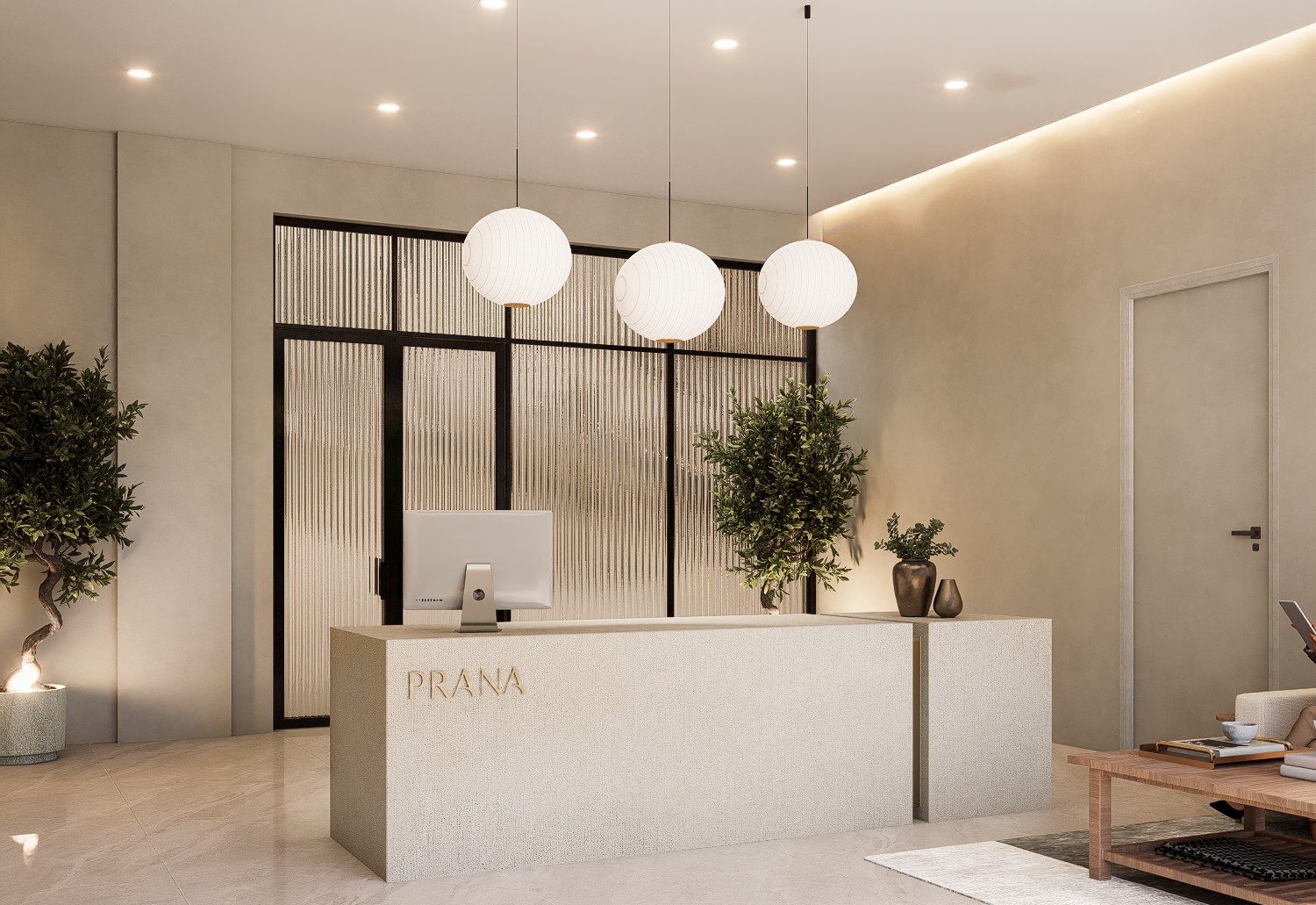


- Elegant interiors and the-spinkings.uk offer lasting design inspiration now
- Understanding Colour Palettes and Their Impact
- The Psychology of Interior Colour Selection
- Layering Textures for Visual Interest
- The Role of Textiles in Adding Texture
- The Importance of Lighting Design
- Utilizing Natural and Artificial Light Sources
- Furniture Arrangement and Space Planning
- Exploring Current Interior Design Trends
Elegant interiors and the-spinkings.uk offer lasting design inspiration now
Creating a beautiful and functional home interior is a journey, often requiring inspiration and careful consideration. Many individuals find themselves searching for ideas and resources to help them transform their living spaces into havens of comfort and style. In today's digital age, online platforms play a crucial role in this process, offering a wealth of design inspiration and practical advice. One such resource is the-spinkings.uk, a destination for those seeking elegant interior design solutions. It provides a curated collection of ideas and products aimed at enhancing the aesthetic appeal and liveability of any home.
The pursuit of a well-designed interior goes beyond mere aesthetics. It's about crafting an environment that reflects your personality, supports your lifestyle, and promotes a sense of wellbeing. Understanding fundamental design principles, exploring various styles, and considering the practical aspects of space planning are essential steps in this process. Whether you're undertaking a complete renovation or simply refreshing a single room, having access to reliable information and quality products is paramount. The complexities of interior design often benefit from professional guidance, and platforms like the-spinkings.uk strive to bridge the gap between aspiration and execution.
Understanding Colour Palettes and Their Impact
Colour is perhaps the most impactful element of any interior design scheme. It has the power to evoke emotions, create atmosphere, and alter the perceived size and shape of a space. Choosing the right colour palette is therefore crucial. Neutral tones, such as creams, greys, and beiges, offer versatility and create a calming backdrop, allowing bolder accents to shine. However, neutral schemes can sometimes feel bland if not carefully balanced with texture and interest. Warmer neutrals introduce a sense of cosiness, whereas cooler neutrals promote a more contemporary and airy feel. The psychological impact of colour is significant too; blues and greens are often associated with tranquility, while reds and oranges can stimulate energy and conversation.
The Psychology of Interior Colour Selection
Delving deeper into colour psychology reveals fascinating insights. For example, yellow is often linked to optimism and happiness, making it a good choice for kitchens or entryways. Purple, historically associated with royalty, can add a touch of luxury and sophistication to bedrooms or living areas. It’s important to consider the geographical location and natural light available when choosing colours. In dimly lit rooms, lighter shades will help maximize brightness, while darker colours can absorb light and create a more intimate ambience. Ultimately, the best colour palette is one that resonates with your personal preferences and complements the overall style of your home. The influence of natural light and the intended use of the space are paramount considerations in making effective colour choices.
| Colour | Associated Mood/Feeling | Suitable Room |
|---|---|---|
| Blue | Calm, Serene, Trustworthy | Bedroom, Bathroom |
| Green | Natural, Refreshing, Growth | Living Room, Study |
| Yellow | Optimistic, Cheerful, Energetic | Kitchen, Entryway |
| Red | Passionate, Energetic, Bold | Dining Room (Accent) |
Considering the interplay of colours, textures and light is pivotal for crafting captivating interior designs. A well-balanced colour scheme elevates a room’s mood and brings harmony to the living space. The crucial aspect is to test colours in your home itself, observing how they appear under varying lighting conditions throughout the day.
Layering Textures for Visual Interest
Beyond colour, texture is a vital component of successful interior design. It adds depth, dimension, and tactile appeal to a space. Combining different textures – such as smooth silk, rough linen, woven wool, and polished wood – creates visual interest and prevents a room from feeling flat or monotonous. Layering textures can be achieved through a variety of elements, including furniture upholstery, rugs, cushions, curtains, and wall coverings. Consider the contrast between different materials. For example, pairing a plush velvet sofa with a rustic wooden coffee table creates a visually compelling juxtaposition. Texture can also subtly enhance colour schemes, adding richness and complexity. A tactile approach allows a depth of feeling to permeate the space, fostering a comfortable and inviting ambience.
The Role of Textiles in Adding Texture
Textiles, in particular, play a significant role in layering texture. Rugs can define spaces and add softness underfoot. Curtains can introduce drape and visual weight, as well as control light and privacy. Cushions and throws offer opportunities to incorporate pops of colour and different textures onto sofas and armchairs. Choosing textiles with varying weaves and patterns adds layers of sophistication. Think about the weight and drape of the fabric – a heavier fabric will create a more luxurious feel, while a lighter fabric will be more airy and casual. The incorporation of natural fibres like cotton, linen and wool brings an organic feel, enhancing the sense of warmth and comfort within the home. Textures offer a more subtle form of visual design compared to bold colours.
- Rugs define spaces and add softness.
- Curtains control light and introduce drape.
- Cushions and throws add colour and texture.
- Natural fibres bring an organic feel.
- Varying weaves and patterns enhance sophistication.
Selecting materials consciously, and layering them generously is a key design principle. The art of combining textures transforms a room, adding character and reflecting the homeowner's unique style.
The Importance of Lighting Design
Lighting is often underestimated, yet it’s arguably one of the most important elements of interior design. It not only illuminates a space but also creates atmosphere, highlights architectural features, and influences our mood. A well-designed lighting scheme incorporates multiple layers: ambient lighting (general illumination), task lighting (for specific activities), and accent lighting (to highlight focal points). Ambient lighting typically comes from ceiling fixtures, chandeliers, or recessed lights. Task lighting includes desk lamps, reading lamps, and under-cabinet lighting. Accent lighting can be achieved with spotlights, wall sconces, or picture lights. The correct balance of these different layers creates a dynamic and functional space. Furthermore, the colour temperature of the light can significantly impact the mood – warm light creates a cosy and inviting atmosphere, while cool light is more energizing and focused.
Utilizing Natural and Artificial Light Sources
Maximizing natural light is always the first step in lighting design. Keep windows clear of obstructions and use light-coloured window treatments to allow as much daylight as possible to enter the space. However, relying solely on natural light is often impractical, especially in climates with limited sunlight. Artificial light sources should be chosen carefully, considering both functionality and aesthetics. LED lighting is a popular choice due to its energy efficiency and long lifespan. Dimmer switches allow you to adjust the intensity of the light, creating different moods for different occasions. Consider the placement of light fixtures to avoid glare and shadows, and experiment with different types of lighting to achieve the desired effect. Thoughtful lighting can dramatically enhance the beauty and functionality of any interior.
- Maximize natural light whenever possible.
- Incorporate multiple layers of lighting (ambient, task, accent).
- Choose energy-efficient light sources like LEDs.
- Use dimmer switches to control light intensity.
- Consider the colour temperature of the light.
Lighting design isn’t about simply brightening a room; it’s about crafting an atmosphere that enhances the space and complements the overall aesthetic. The interplay between light and shadow should be carefully considered to create a captivating and functional environment.
Furniture Arrangement and Space Planning
Effective furniture arrangement is crucial for creating a functional and aesthetically pleasing space. Before you start placing furniture, it’s important to consider the flow of traffic and the primary use of the room. Avoid blocking doorways or pathways. Create conversational areas by arranging seating around a focal point, such as a fireplace or a coffee table. Pay attention to scale and proportion – oversized furniture can overwhelm a small room, while undersized furniture can appear lost in a large space. Consider the principle of balance – distribute visual weight evenly throughout the room. A well-planned layout will not only look good but also make the space more comfortable and functional. The placement of furniture should facilitate easy movement and interaction.
Don't be afraid to experiment with different layouts. Sketch out several options on paper or use online room planning tools to visualize the space. Consider the placement of windows and doors, as well as the location of electrical outlets and lighting fixtures. Remember that functionality should always take precedence over aesthetics. A beautiful room that is difficult to navigate is ultimately not a successful design. Thoughtful space planning transforms a house into a home, creating a comfortable and inviting environment for those who dwell within. The essence of a welcoming home is a space that effortlessly blends form and function.
Exploring Current Interior Design Trends
Interior design is a constantly evolving field, influenced by changing tastes, technological advancements, and cultural shifts. Currently, several key trends are shaping the landscape. Biophilic design, which incorporates natural elements into the interior, is gaining popularity, with features like indoor plants, natural materials, and earthy colour palettes. Sustainability is also a major focus, with designers seeking out eco-friendly materials and energy-efficient solutions. Minimalism remains a strong influence, emphasizing clean lines, uncluttered spaces, and a focus on functionality. However, there's also a growing trend towards maximalism, which embraces bold colours, eclectic patterns, and a more-is-more aesthetic. These diverging trends showcase the broadening of design preferences; reflecting individual personality is more important than strict adherence to any singular style.
Ultimately, the most successful interior design schemes are those that reflect the homeowner's personal style and create a space that feels both comfortable and inspiring. Platforms like the-spinkings.uk serve as a valuable resource for staying up-to-date on the latest trends and finding inspiration for your own projects. While it’s tempting to follow trends blindly, it’s important to choose elements that resonate with your individual taste and create a cohesive and harmonious aesthetic. Remember to prioritize quality and sustainability, and invest in pieces that will stand the test of time. Thoughtful consideration, mindful selection, and a touch of personal style are the foundations of lasting interior design.